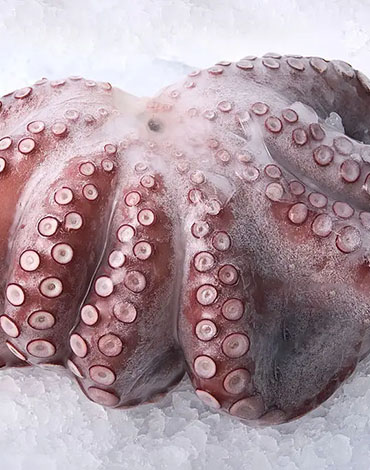
With years of experience in fishing in FAO areas,
we bring you products of exceptional quality.
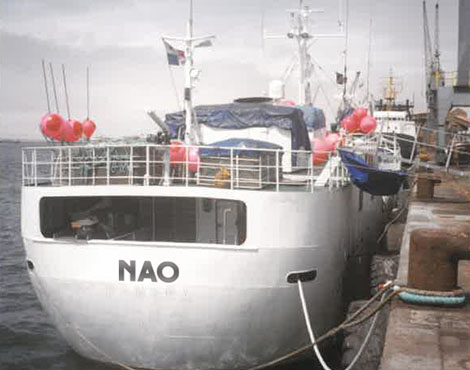

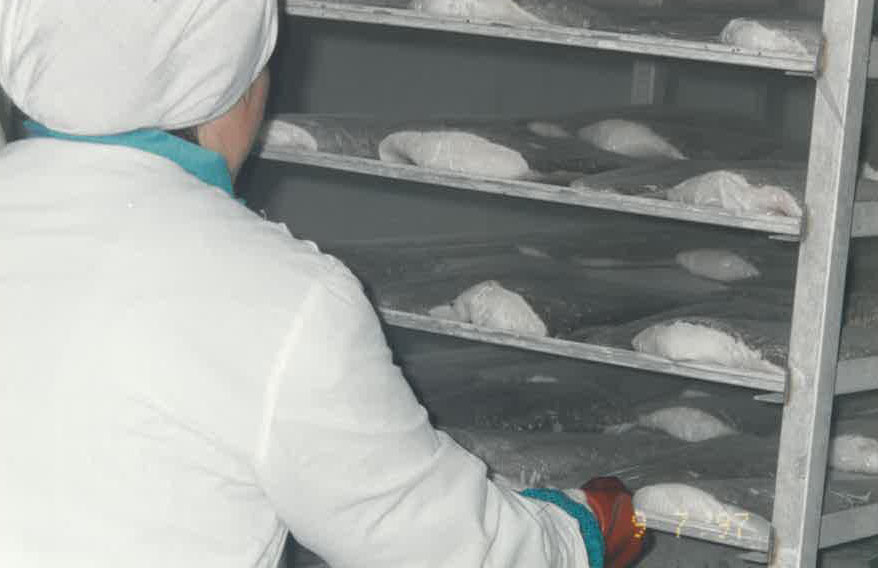
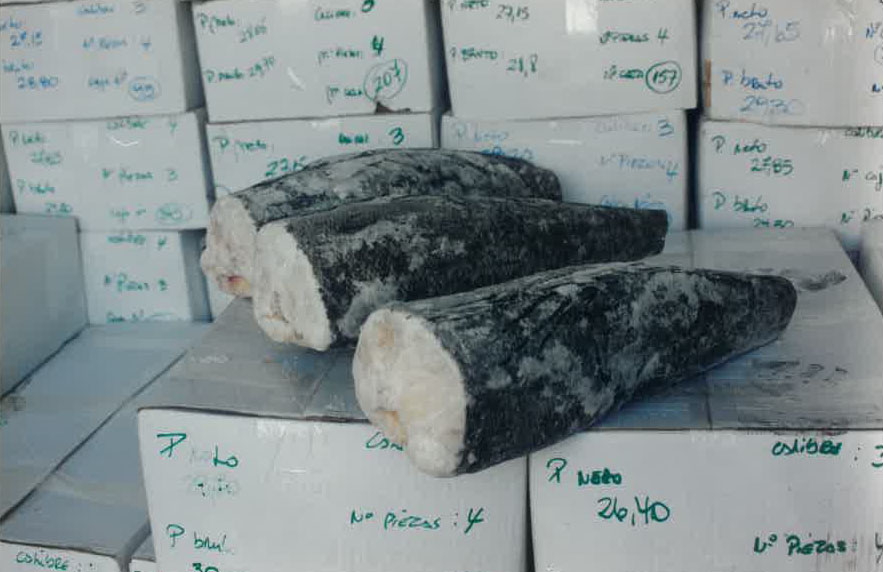
Since the 1990s, Panacopesa has been a pioneer in the commercialization of Chilean sea bass and other seafood products. Its journey is marked by strategic decisions prioritizing sustainability, including a responsible withdrawal amid overfishing and a return in 2022 under strict regulations. Today, the company remains a global leader in the fishing industry.
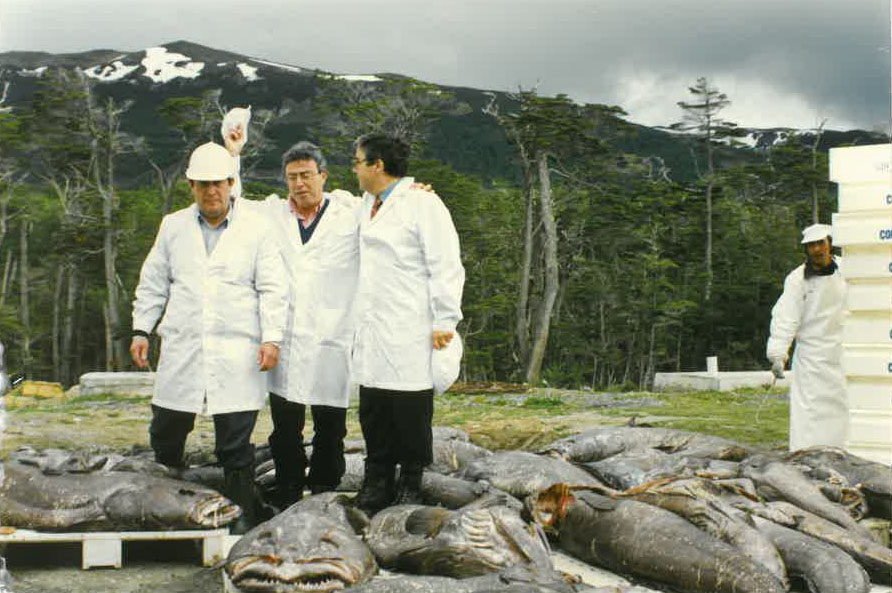
In the 1990s, Panacopesa operated Panamanian-flagged vessels fishing for Chilean sea bass in the South Atlantic, establishing a strong presence in key markets such as Asia and the United States. Its influence extended to Chile, thanks to the leadership of Alejandro Fernández, who played a key role in positioning the company as an industry pioneer.
As overfishing of Chilean sea bass became evident, Panacopesa made the ethical decision to withdraw from the fishery, avoiding contributing to the depletion of stocks. In the early 2000s, as strict CCAMLR regulations were enforced, the company chose to remain on the sidelines, reaffirming its commitment to marine sustainability.
In 2022, Panacopesa resumed Chilean sea bass fishing legally and sustainably, marketing the Namibian vessel Helena under CCAMLR regulations. This return solidified its position as a company that knew when to step back and when to reenter responsibly, reinforcing its leadership in the industry and its dedication to ocean conservation.
48, 58, 88
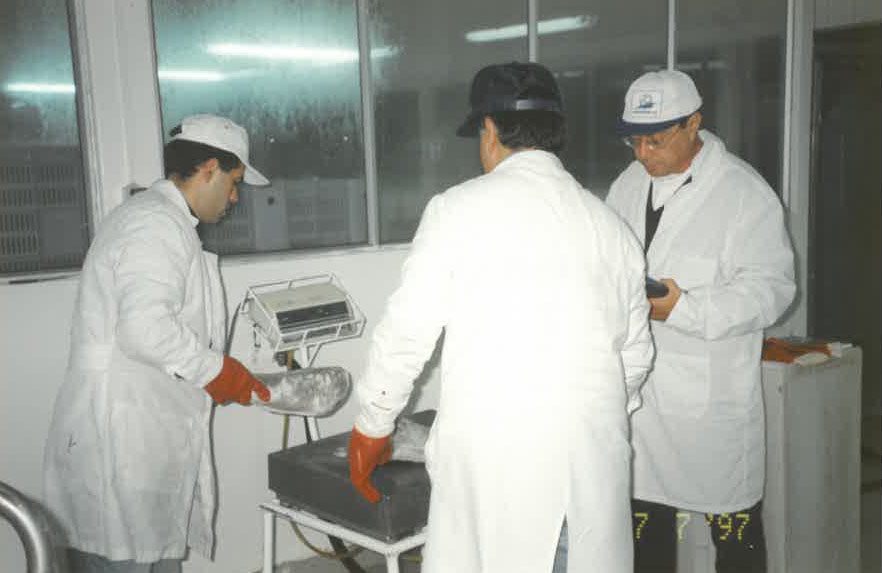
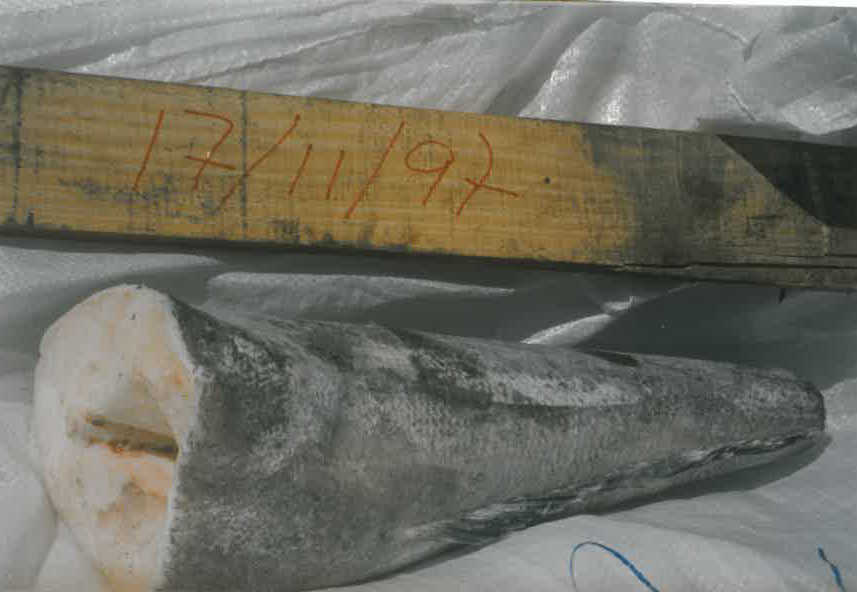
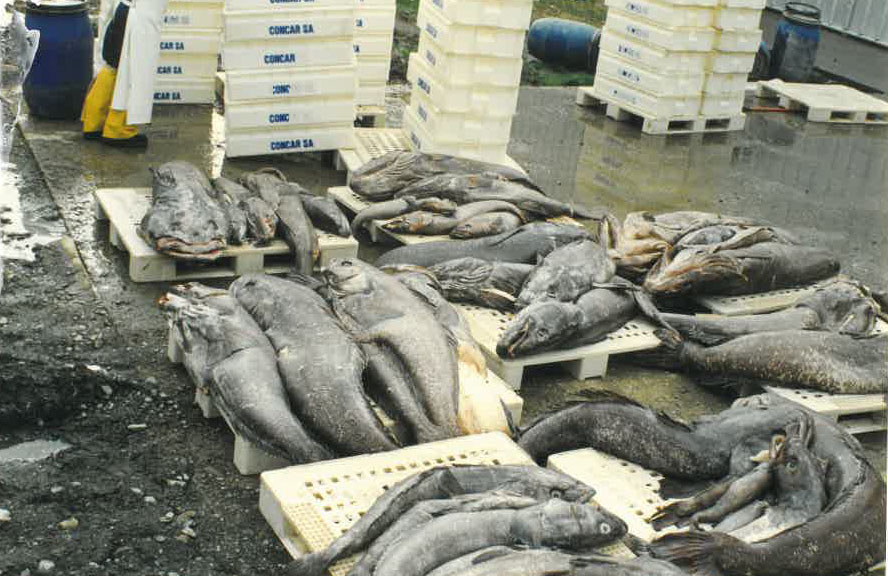
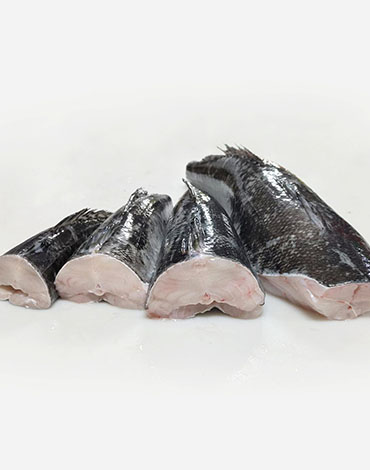
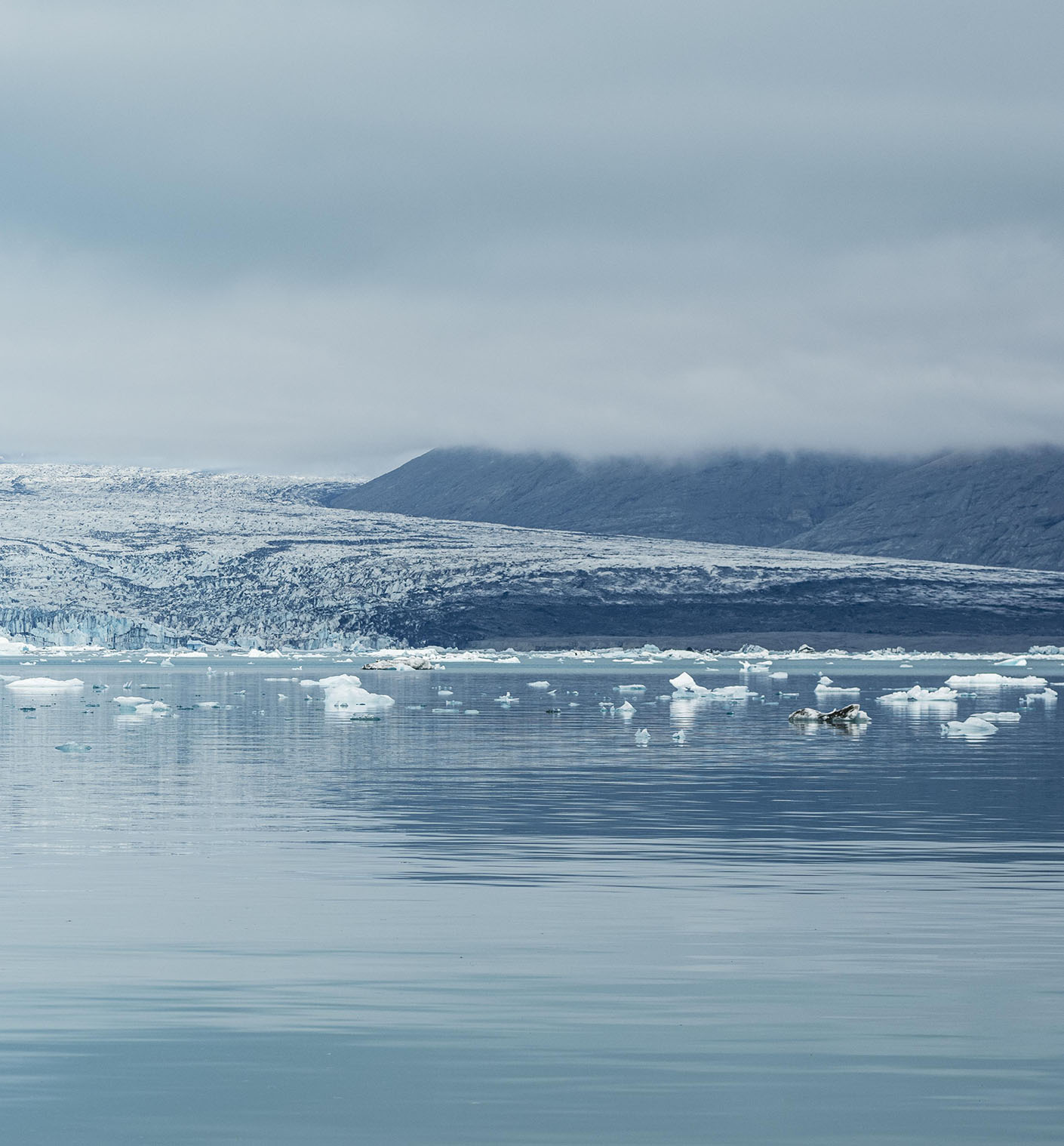
The fishing of Chilean sea bass (Dissostichus eleginoides) takes place in FAO zones 88, 48, and 58, which correspond to the waters of the Southern Ocean, one of the coldest and most remote regions on the planet.
These zones are known for their sustainable and regulated fisheries under strict controls by the Convention for the Conservation of Antarctic Marine Living Resources (CCAMLR), ensuring marine ecosystem protection and product traceability.
Chilean sea bass from these areas is highly valued for its quality, flavor, and texture.
© Copyright 2025 -Panacopesa. All Right Reserved